How to Know When It’s Time to Rebrand Your Business
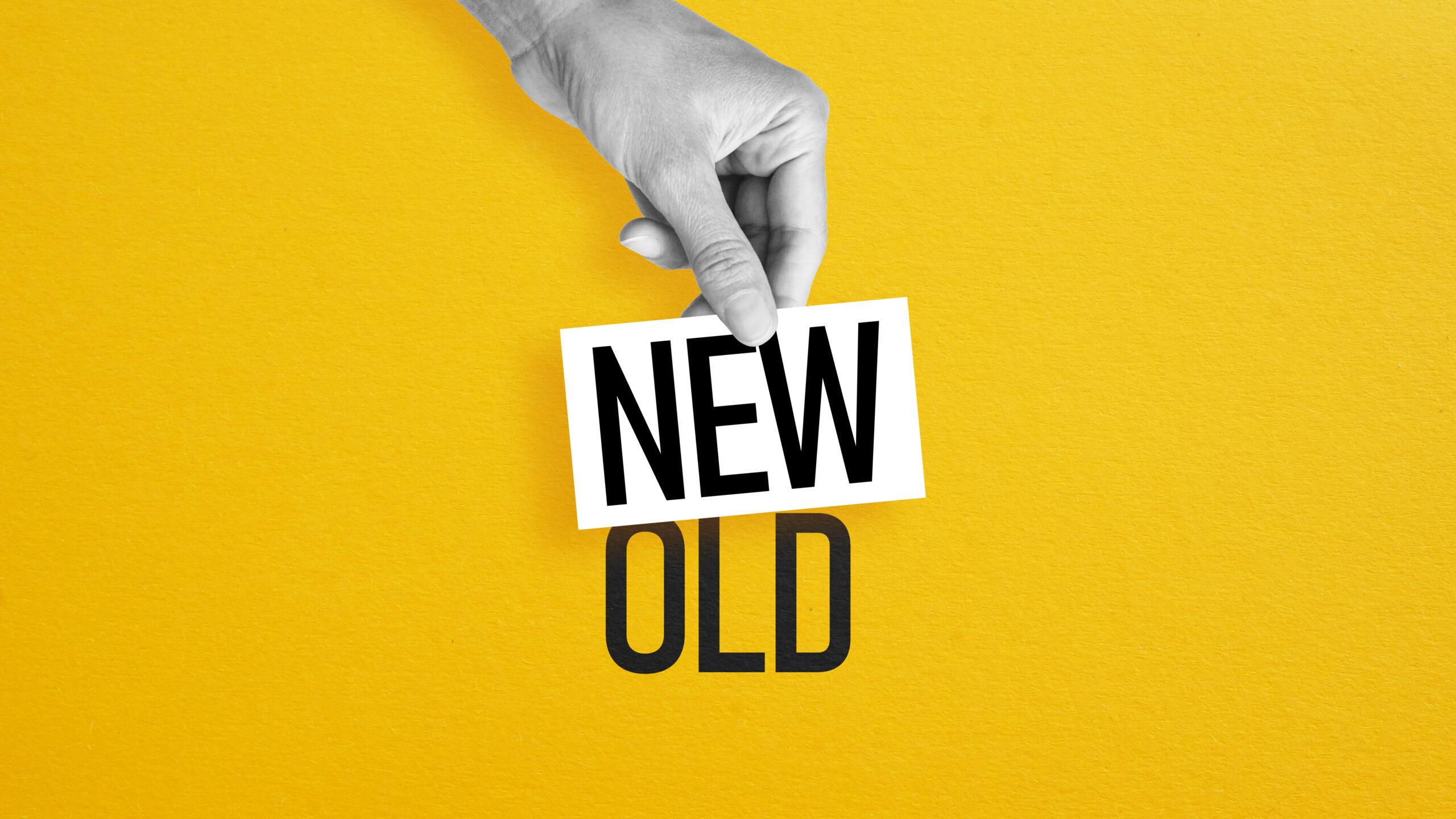
A strong brand can stay with a business for years, but that does not mean it should never change.
Businesses evolve. They introduce new services, reach new audiences, enter different markets, and change the way they communicate. Sometimes the brand that worked at the beginning simply does not represent the business anymore.
Your brand identity should communicate who your business is today, not simply preserve how it looked when it started.
That does not mean you need a new logo every few years. In fact, changing your identity too often can make it harder for people to recognize you. A successful rebrand should have a clear reason behind it.
So, how do you know when it is actually time to rebrand?
Your website should do more than exist online. It should represent your brand, answer your customers’ questions, and support your business goals. As we explored in The Real Cost of Bad Design for Your Business, weak design choices can affect credibility, usability, and how people perceive a company.
So, why do so many small business websites fall short?
1. Your Business Has Changed, but Your Brand Hasn’t
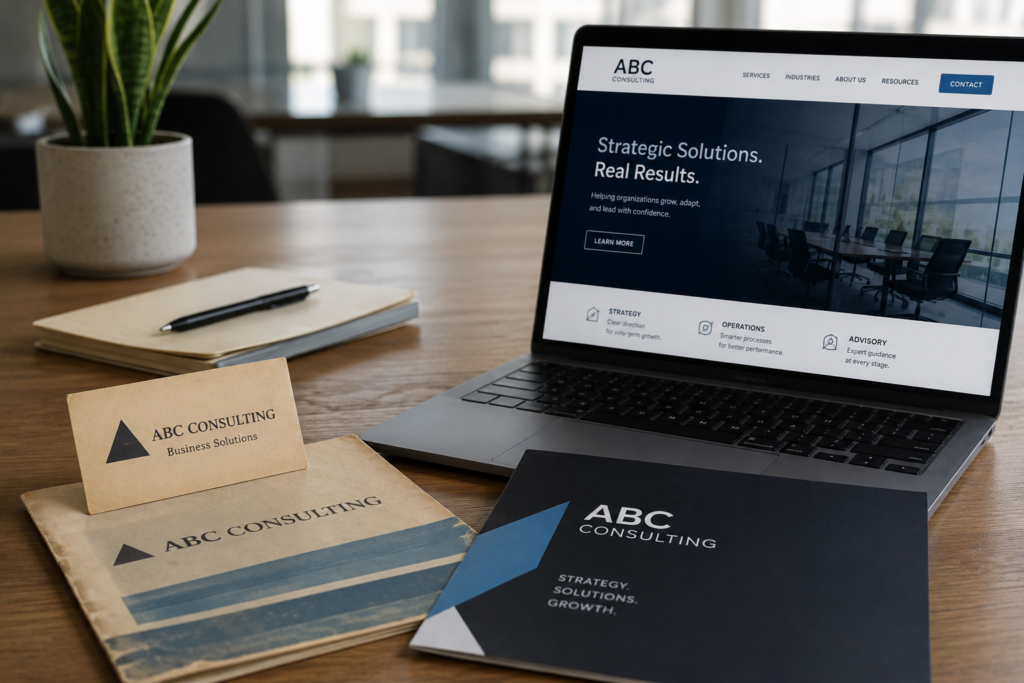
One of the clearest signs is when your business today looks very different from the business your branding was originally created for.
Maybe you started with one service and now offer several. Perhaps you have moved into a new industry, expanded into new markets, or changed the type of customers you want to attract.
If your website, logo, messaging, or visual identity still reflects the old version of the company, customers may get the wrong impression.
This is where branding becomes more than simply having an attractive logo. A strong identity should communicate your positioning, personality, values, and the type of experience customers can expect.
Your brand should help people understand who you are now, not who you were five or ten years ago.
2. Your Brand Looks Outdated
Design trends change, but a rebrand should never be based on trends alone.
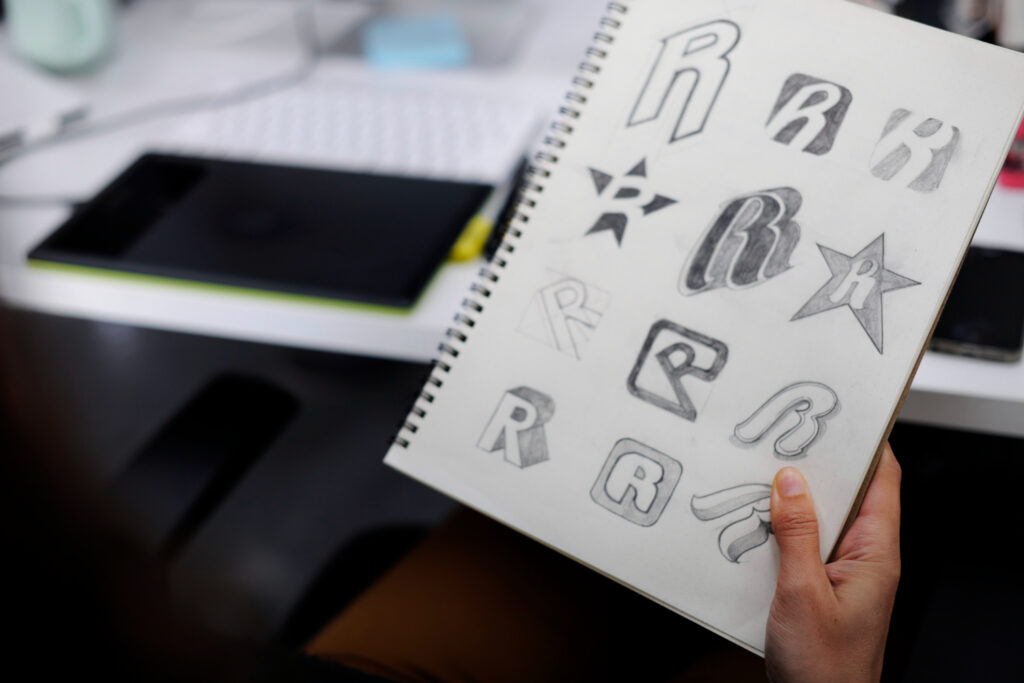
The bigger concern is whether your identity feels noticeably dated compared with the experience your business provides.
A company may offer modern, innovative services while still using an identity created for a very different era. Old typography, complicated logos, outdated colour combinations, or inconsistent marketing materials can create a disconnect between the quality of the business and how it is perceived.
As we explored in The Real Cost of Bad Design for Your Business, design affects more than appearance. Poor design can influence clarity, credibility, usability, and the way customers perceive a business.
The goal is not to make your brand look trendy. It is to make sure it still feels relevant.

3. You Are Trying to Reach a Different Audience
A brand designed for one audience may not connect with another.
Imagine a business that originally served mostly individual consumers but is now trying to attract corporate clients. The existing identity may feel too casual. The opposite can happen as well. A traditional corporate brand may struggle to connect with a younger or more community-focused audience.
This does not mean abandoning everything people already recognize.
Instead, a rebrand can help reposition the business while keeping the strongest parts of the existing identity.
Branding is ultimately about perception. As we discussed in Branding vs Marketing: What’s the Difference and Why Your Business Needs Both, marketing helps people discover a company, while branding shapes what they recognize, remember, and associate with it.
When your audience changes, the way your business presents itself may need to change with it.
4. Your Branding Is Inconsistent
Take a look at your website, social media, business cards, presentations, signage, advertisements, and other marketing materials.
Do they look like they belong to the same company?
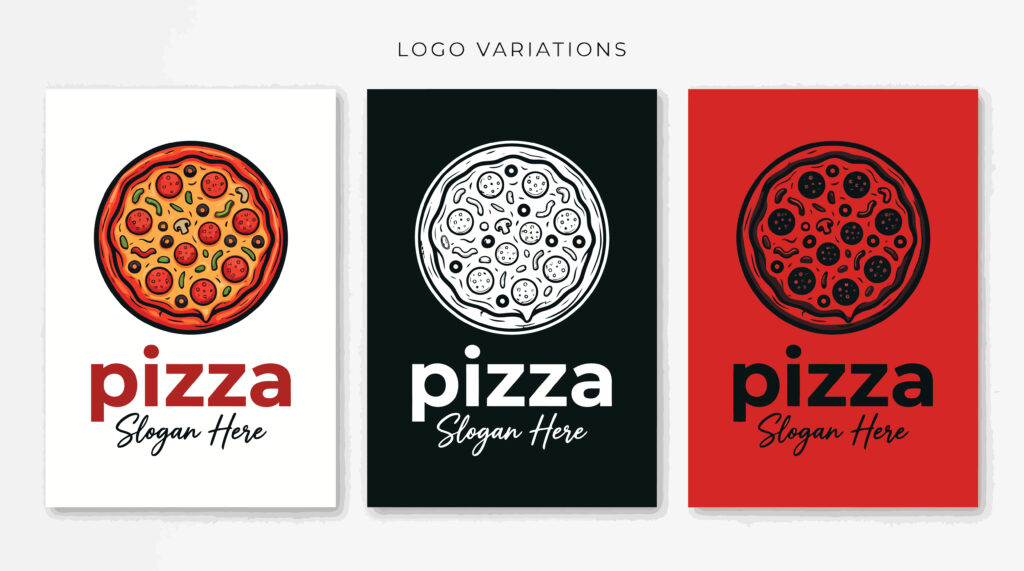
Over time, brands often become fragmented. Different fonts are introduced. Colours change slightly. Several versions of the logo begin circulating. New marketing materials are created without a consistent visual system.
Individually, these differences may seem small. Together, they can make a business feel less established and less recognizable.
A rebrand can solve this by creating a clear visual identity system rather than simply redesigning a logo. This may include typography, colour palettes, imagery, logo variations, graphic elements, templates, and guidelines for how everything should be used.
The importance of this extends beyond the initial design process. In the RGD Business Perspectives feature on brand handoffs, 11th Floor Design Studio founder and director Armis Goodarzi explains the importance of giving clients practical brand guides, templates, and organized assets that allow a new identity to remain consistent after launch.
Adobe also recommends regularly reviewing brand guidelines and brand consistency as businesses add new products, audiences, teams, and communication channels.
5. You No Longer Stand Out From Competitors
Sometimes a brand is not bad. It is simply forgettable.
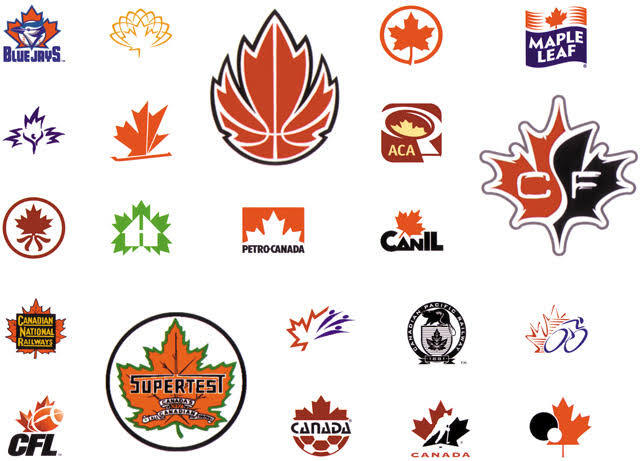
This often happens when several companies in the same industry begin using similar colours, imagery, typography, and messaging. Look at a group of competitors and you may find that many of them are presenting themselves in almost exactly the same way.
Your visual identity should give people a reason to remember you.
That does not mean being different simply for the sake of being different. Effective branding should reflect something meaningful about the business, its values, personality, audience, or approach.
Projects such as Creative Blue Spirit Studio show how a distinctive visual concept can communicate personality while remaining clean, adaptable, and recognizable across different applications.
The strongest identities feel distinctive because there is an idea behind them.
6. Your Brand No Longer Works Where You Need It
A logo created primarily for print may not work particularly well as a social media profile image. A complicated identity may become unreadable on a mobile screen. Colours that looked good on a business card may not translate effectively to a website.
Businesses now need brands that can move easily between physical and digital environments.
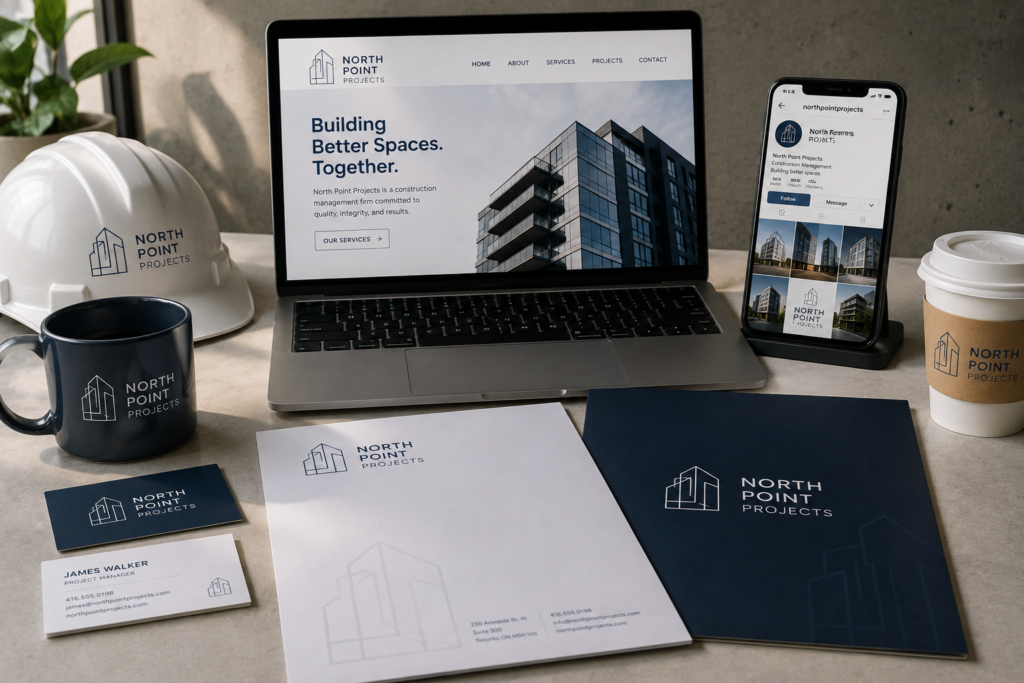
Your identity should work on a large sign and a small screen. It should remain recognizable across your website, social media, presentations, packaging, advertisements, and other applications.
This adaptability is an important part of modern Branding and Identity Design. A brand should be designed as a flexible system, not as a single logo file.
Your website is also one of the most important places where that identity comes to life. If the branding and digital experience feel disconnected, visitors may struggle to understand the business. We explored many of these issues in Why Most Small Business Websites Fail (And How to Fix Them).
For businesses undergoing a larger transformation, branding and professional web design should therefore be considered together rather than as completely separate projects.
Do You Need a Rebrand or Just a Brand Refresh?
Not every outdated brand needs to be replaced.
Sometimes the foundation is already strong. The logo may still be recognizable and meaningful, but the typography, colours, photography, messaging, or supporting graphics need to evolve.
That is where a brand refresh can make more sense.
HubSpot makes a similar distinction in its discussion of brand optimization versus rebranding. Smaller improvements may be enough when the core identity is still strong, while a full rebrand becomes more appropriate when the identity itself no longer reflects the company, market, or audience.
For example, our Publication House brand refresh involved evolving an existing identity as the publisher shifted toward horror and thriller fiction.
Rather than changing the brand without purpose, the visual direction evolved to reflect the company’s new focus while maintaining its professional and literary character. The refreshed identity was then applied across book covers, marketing materials, and digital campaigns.
A full rebrand usually makes more sense when the business itself has changed significantly, the existing identity has serious limitations, or the company needs to reposition itself.
A refresh is more appropriate when the brand still has value but needs to feel more current, consistent, or flexible.
Your Brand Should Grow With Your Business
Rebranding is not about replacing a logo because you are tired of looking at it. It is about making sure the identity people see still represents the business behind it.
If your company has evolved, your audience has changed, or your visual identity no longer communicates what makes you different, it may be time to reconsider how your brand is presented.
At 11th Floor Design Studio, we approach branding as more than a visual makeover. We work with businesses to create thoughtful, cohesive identities that connect strategy with design and can grow across digital and physical applications.
If your current brand no longer feels like your business, contact 11th Floor Design Studio to start a conversation.
Leave a Reply