

Logo Design is Only the Beginning: What Makes a Complete Brand Identity?
A reputable company or brand stands out without needing too much explanation. Why might you wonder? That’s because of an effective branding strategy. Have you ever asked yourself what an effective branding strategy is? Although the logo is part and parcel of an effective brand, it is also a small component of what makes a brand cohesive, trustworthy, and memorable.
A great logo can open doors to brand identification. Still, a logo alone can’t communicate; other factors such as your tone of voice, colour psychology, or how your brand should look and feel across different touchpoints are important. Just as a logo supports brand identification, your company also needs a brand identity.
What Is a Brand Identity?
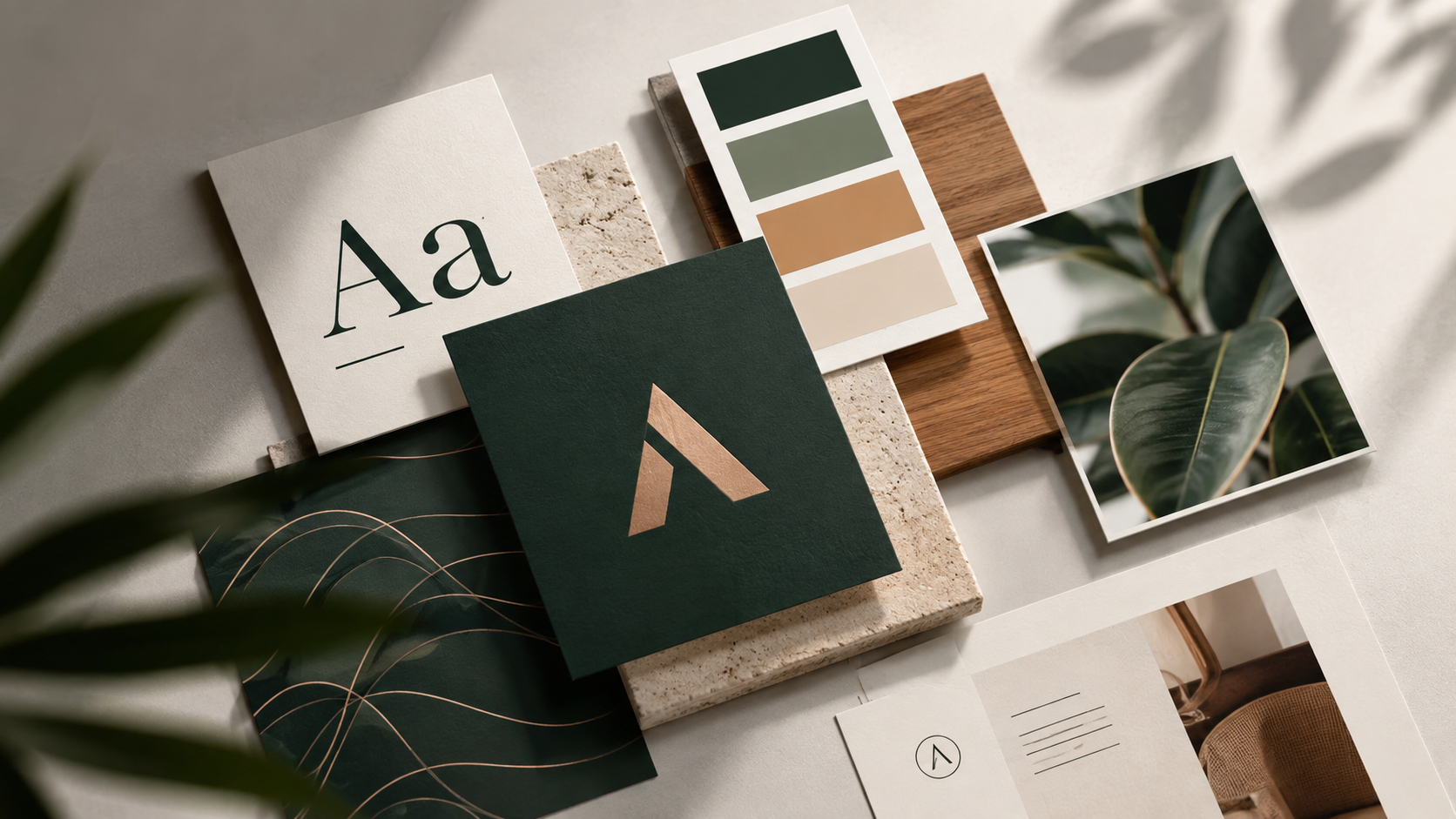
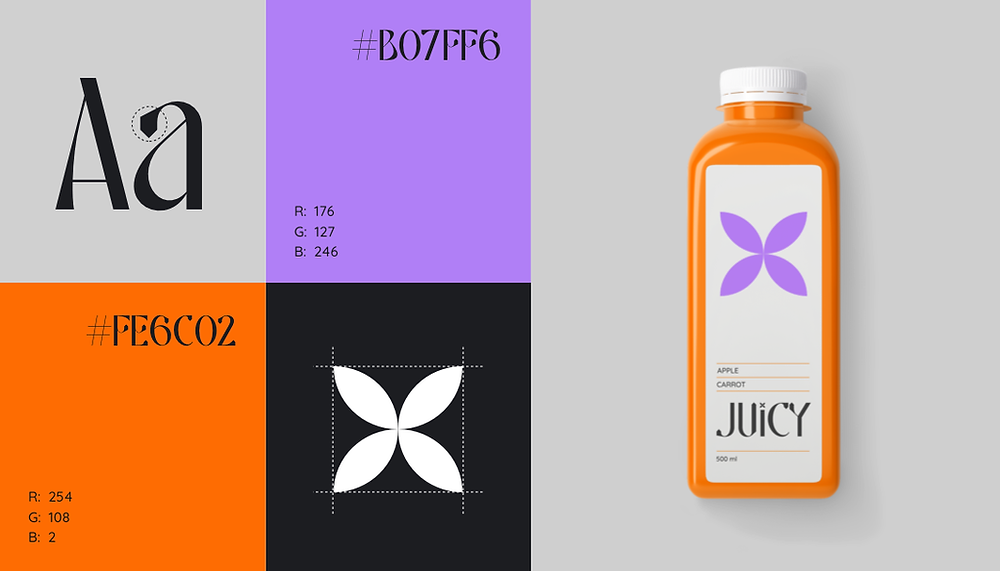
A brand identity shows what a brand stands for. In essence, it is the recognizable elements that set a brand apart from competitors. A brand identity plays an important role in shaping how a prospective customer views or perceives your company. It includes elements like your company name, colour palette, logo, tagline, packaging, tone/voice, and imagery. Collectively, these components tell your brand’s story. A clear brand identity improves marketing effectiveness because people can recognize you instantly.
How to Create a Brand Identity
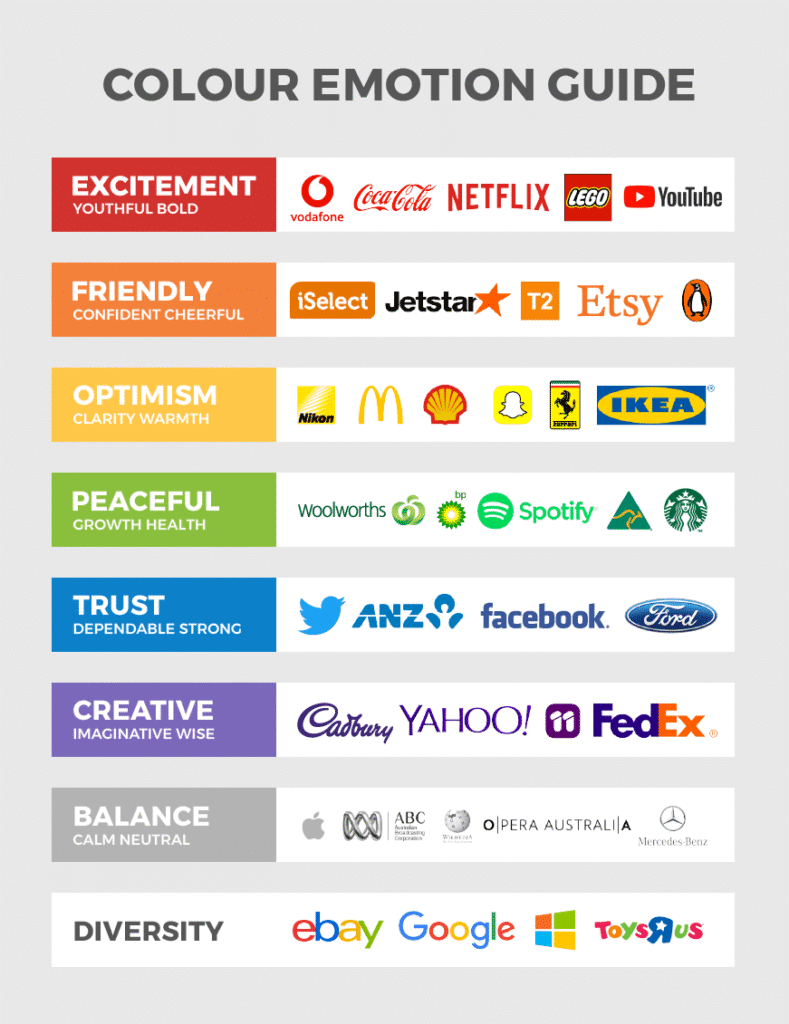
To create an effective brand identity, you need to take a closer look at the real building blocks of a brand identity. For starters, you need to consider the colour palette; even if you have a logo that stands out, it needs to synchronize with an effective colour palette that’s uniformly expressed across your marketing materials. A well-considered palette and accent colours create instant recognition, whether it’s on your packaging, website, or social media posts.
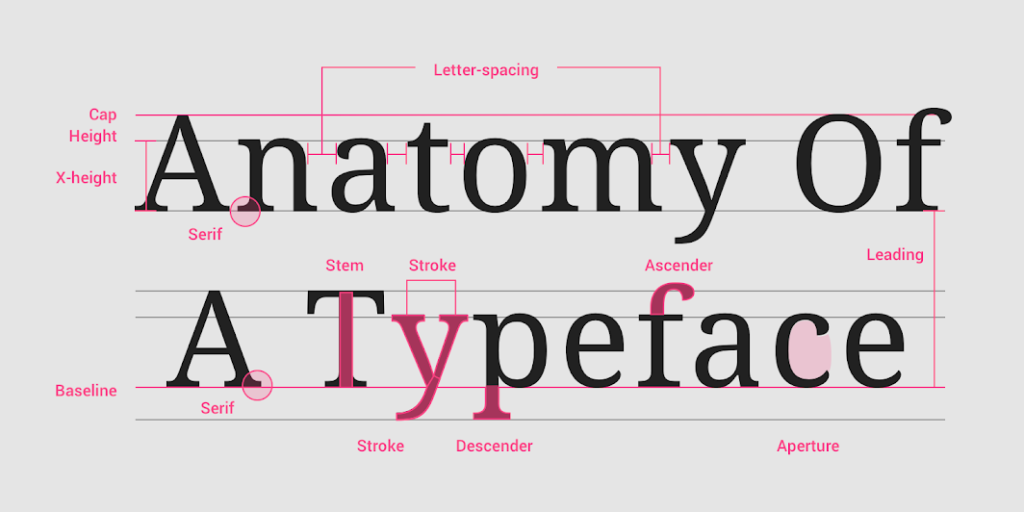
The second element you must pay attention to is your typography. This means that you should choose a consistent type across all your headings, body copy and UI elements. This emphasizes your brand’s consistency and makes it easy to recognize. Mixing and matching five different colours and fonts across your website, brochures, and social media posts is the easiest way to confuse people and make your brand look unprofessional.
Another important factor to consider is how you design your brand’s look and feel. This entails creating a unique identity that makes you instantly recognizable to your audience. Research shows that people can form an impression of a website’s visual appeal in as little as 50 milliseconds, which is why your brand’s look and feel is vital. Your brand should not only be visually appealing but also convey its values in a way that drives purchasing decisions.
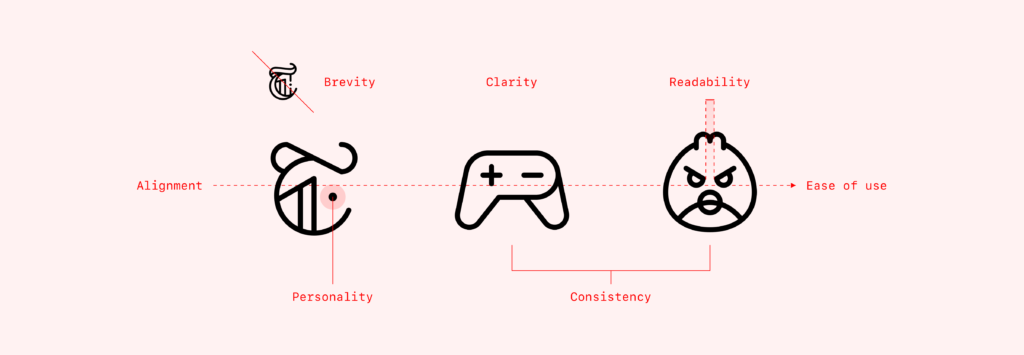
Imagery and iconography style also matter. For example, if you use custom illustrations, photography, or a specific icon style, you must ensure they are professional and consistent. Don’t fall into the trap of choosing stock photos haphazardly to fill space. You must ensure that your images reflect your brand’s identity and are professional.
Last but not least, you must also pay attention to your messaging pillars. A catchy tagline or slogan can make your brand instantly noticeable. You can choose the tone and voice that suits your needs and enforce them across all your marketing copy.
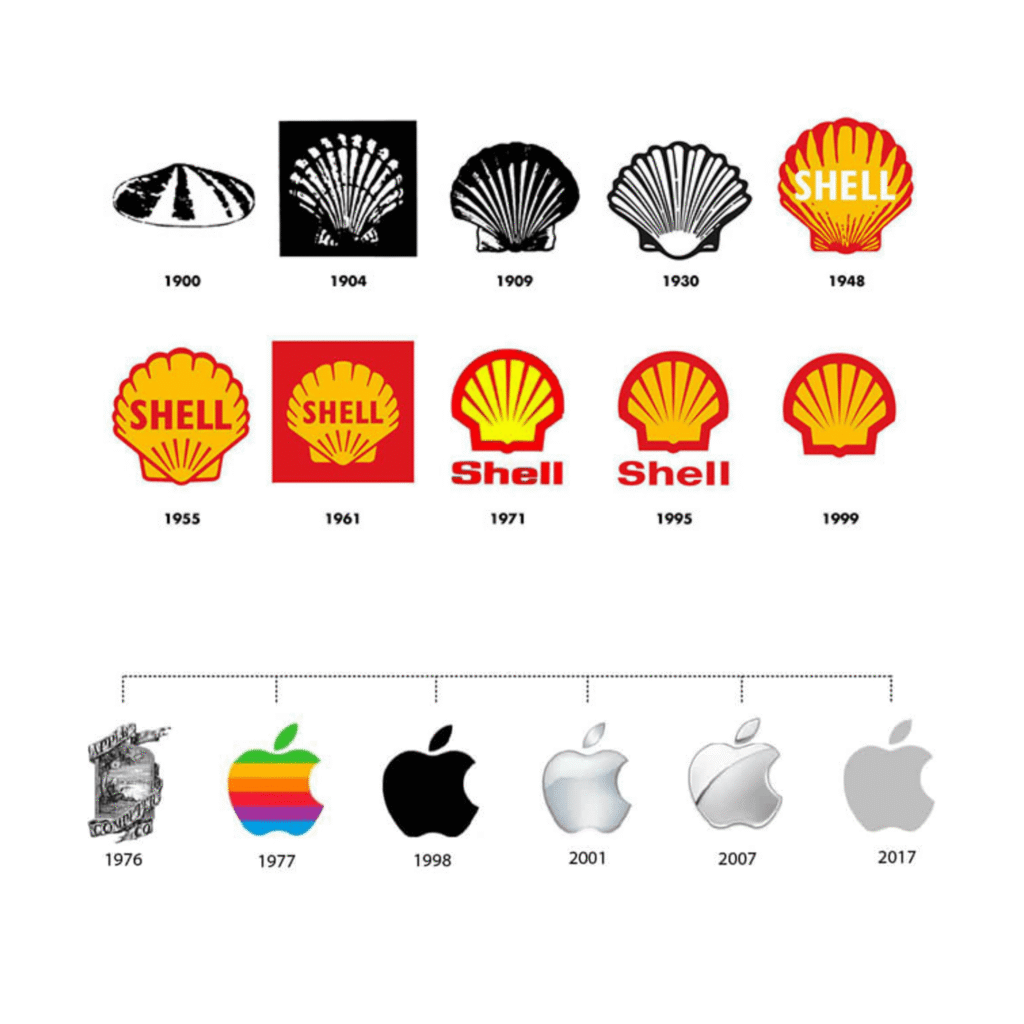
In today’s world, you must ensure your brand evolves. Marketing trends change, and customers’ needs shift. A resilient brand strategy must adapt while staying well grounded in its core values. After all, sudden or inconsistent changes can easily lead to confusion and alienate loyal customers who have built a long-standing relationship with the brand.
When executed professionally, your brand identity can fortify your marketing position and build your business for success. At 11th Floor Design, we help you create striking typography, colour schemes, and logos that launch your brand ahead of the competition and make you truly stand out.
Leave a Reply