


Why Good Design Starts with Understanding Your Audience
A compelling layout is enticing to look at; nevertheless, it misses the mark if it doesn’t resonate with the audience. After all, good design isn’t just about aesthetics. It is about solving problems and creating experiences that resonate with people.
Whether you are designing a website, a page, a brand identity, or a mobile application, your first goal as a designer is to ask yourself: Who is this for? Your design should not only reflect what looks good on the screen, it should also respond to the needs, expectations, behaviours and challenges of the individuals who will interact with it.
Here are a few steps that can help you understand your audience before you design.

Identify Your Audience
As a designer ask yourself an important question: Who is the audience? This helps you create a design people feel at ease with and can relate to. For starters, research your audience’s demographics, preferences, pain-points, and behaviours; this will help you get to know them better. This will require effort on your part, but it pays off. You can start by conducting surveys, interviewing users, running focus groups, or analyzing customer data.
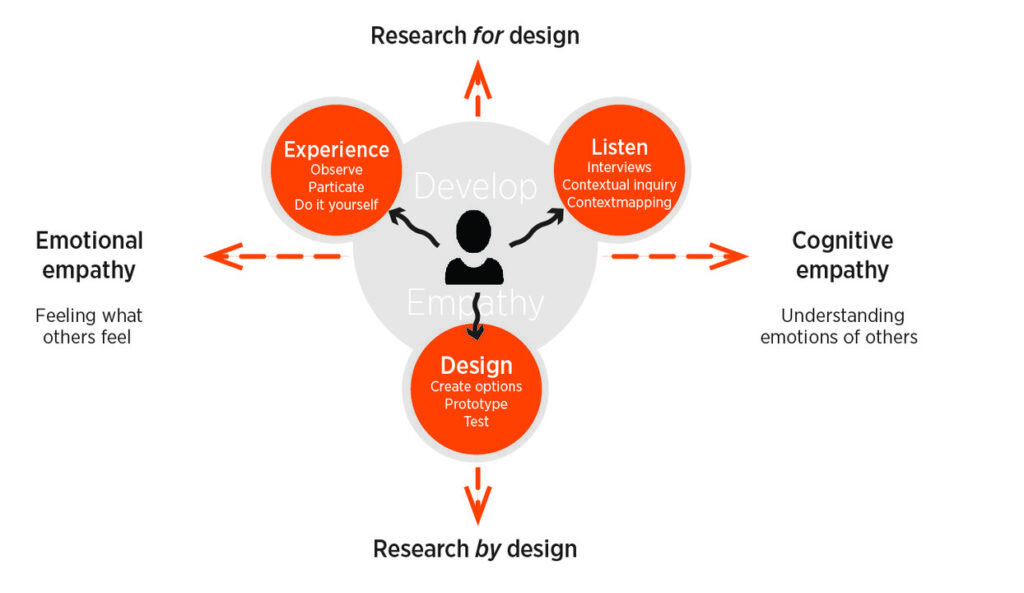
Be Empathetic
A beautiful website might be hard to navigate, a mobile application can confuse users, and a brand identity can fail to connect with its intended customers. That’s why, as a designer, you shouldn’t focus only on aesthetics. Your goal is to put yourself in your customer’s shoes and understand their needs and how they will interact with your design.

Choose Communication Over Aesthetics
Although aesthetics matter, they should not overshadow the overall message you want to convey. A compelling design is not only visually appealing, but also clear and effective in conveying the right message.
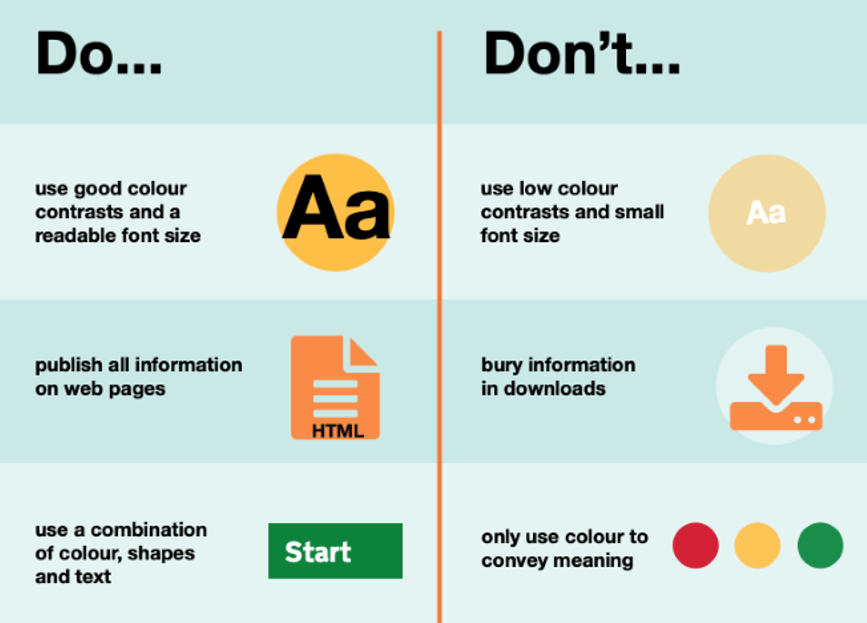
Accessibility Matters
Any designer naturally brings his own experiences, preferences, and expectations to how he would like the design to appear. However, keep in mind that not everyone has the same capabilities you do. Ask yourself integral questions like: might this confuse a first-time visitor? Could a person with a visual impairment use this interface comfortably?
When you design with other people in mind and consider their limitations, your work can be appreciated by everyone, including individuals with disabilities. Designing with accessibility in mind is an asset. When you use contrasting colours for readability, ensure your text is legible, and incorporate assistive technologies into your design, you will reach a wider audience, including persons with disabilities.
Cultural Sensitivity
Designing a webpage or brand collateral, may reach a wide audience. The key when designing such pages is to be culturally sensitive. After all, you never know who will come across your website or interact with your brand. Start by investigating and showing respect for cultural norms, including any symbols and possible interpretations of your design elements, before you include them.
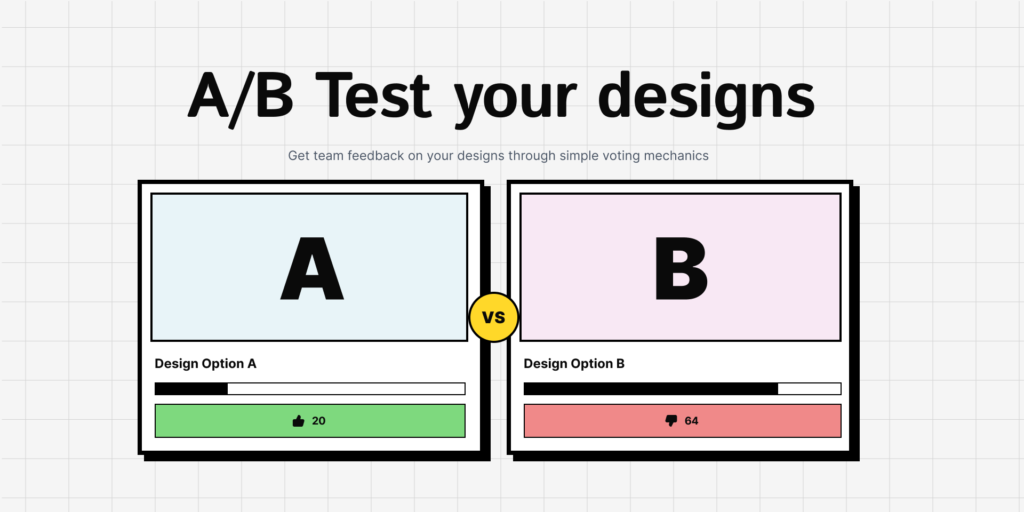
Test your Design
Before you reveal your design to the world, test it out first. For example, use prototypes or mockups to gather feedback on your design’s usability and appeal. Be open to taking suggestions and making changes if necessary.
Be Consistent
The key to compelling design is consistency. If you’re designing a webpage, brochure, or advertising material for a brand, maintain visual and tonal consistency across mediums to strengthen the brand’s recognition.
Keep Evolving
Understanding your audience isn’t a one-time task; it takes ongoing effort. For example, a website that worked well several years ago might no longer meet users’ expectations; a brand that once appealed to its audience might need to adapt as its audience grows. New technologies are evolving and influencing how people interact with design. That’s why designers need to keep up with trends and evolve their design strategies to meet their audience’s needs.
At 11th Floor Design, we know the best designs aren’t always the flashiest or most complex. The designs that matter most are those that connect, solve real problems, and help people achieve something meaningful. Reach out to discover how our design solutions can make a difference for you.
Leave a Reply