What Affects the Cost of Bespoke Brand Identity Design?
Last Updated: November 24, 2026
Quick Summary
Bespoke brand identity design is priced per project, and the quote changes with the scope of the work. The main cost factors are how much discovery and brand research the project needs, how many applications are designed, and whether digital interfaces are part of the brief.
- A strategy-led engagement begins with discovery, brand research, and brand positioning before any visual work.
- Discovery surfaces disagreements early, which reduces rework and cost later in the project.
- Website design, development, and production are usually scoped separately from identity work.
Table of Contents
- What affects the cost of bespoke brand identity design?
- How the brand identity design process shapes your budget
- Brand identity project timeline and what you receive
- What to ask before you commission a bespoke identity
- Choosing a designer for bespoke brand identity design
- Measuring whether the identity earned its cost
- Frequently Asked Questions
What affects the cost of bespoke brand identity design?
Bespoke brand identity design is priced per project, and the quote depends on the scope of the engagement rather than a flat rate.
Scope factors such as how much discovery and brand research the project needs, the number of applications designed, and whether digital interfaces are included all affect the overall engagement. Website design, development, and production are usually scoped separately from identity work. AIGA, the professional association for design, publishes standards of practice that explain how scope and discovery affect pricing for creative engagements like this. To see why this spend matters, read about the real cost of bad design.
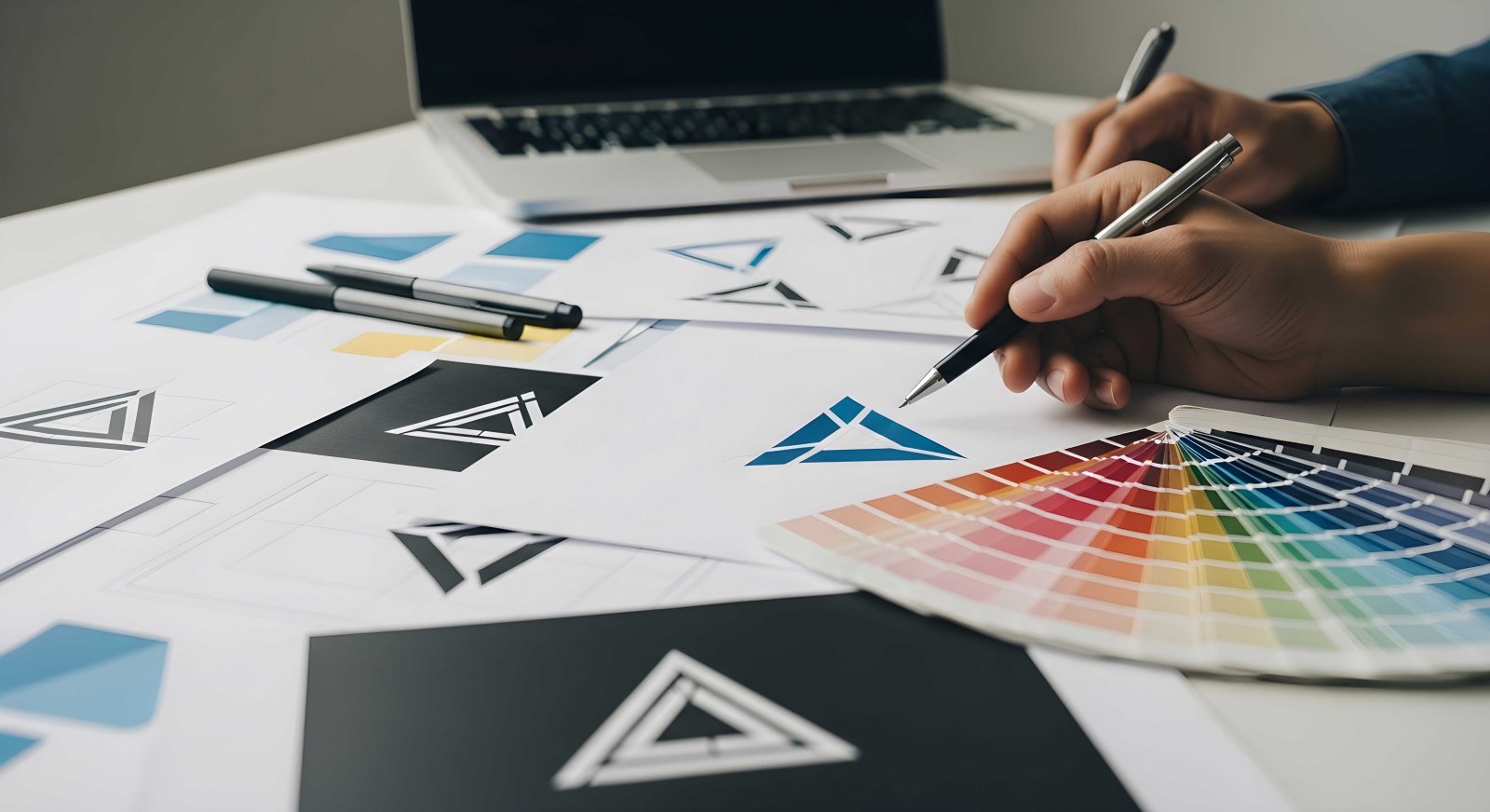
Designer and clinic owner reviewing bespoke brand identity concepts and colour swatches on a studio table
Worth reading next: your brand identity, more than just a logo.
How the brand identity design process shapes your budget
A strategy-led engagement begins with discovery, brand research, and brand positioning before any visual work, which helps avoid costly redos.
Discovery can surface disagreements early and reduce the risk of rework. The Nielsen Norman Group’s research on the cost of change curve shows why catching issues at this stage is cheaper than fixing them after the work is produced. See what makes a complete brand identity.
Quotes vary because the scope of work varies. A focused brand refresh, such as updating a clinic’s patient forms and signage to match a sharper visual identity, sits at the lower end. A new visual identity built from the ground up, for a non-profit outgrowing its original look as it expands into new programs, sits in the middle. A full rebrand with rollout costs the most, for example when an education team needs editable templates built and rolled out across every department, because it adds training, handoff, and ongoing support on top of the design work itself.
Brand identity project timeline and what you receive
Most engagements move through the same phases: discovery and brand research, strategy and positioning, concept development, refinement based on feedback, and handoff. The schedule then depends on the number of deliverables in scope, how many review rounds are built into the agreement, and how quickly approvals come back from your side. Ask for a written handoff list before you sign, so you know exactly which files and documents you will receive. See our design portfolio.
What to ask before you commission a bespoke identity
A brand refresh and a full rebrand differ in scope, and the right choice depends on what you already have in place and how much of it still works for your organization.
Before you commission a bespoke identity, ask about discovery, the materials and editable files you will receive, usage rights and third-party licences, how many revisions are included, and how work beyond that scope is priced.
|
Question |
What it covers |
|---|---|
|
What does discovery include? |
Scope of discovery work |
|
Which materials and editable files will I receive? |
Files and documents handed over at the end |
|
What usage rights and third-party licences apply? |
Ownership and licensing of fonts, stock assets, and final files |
|
How many revisions are included? |
Number of review rounds covered in the quote |
|
How is work beyond that scope priced? |
How additional rounds or requests are costed |
Choosing a designer for bespoke brand identity design
Pick a designer whose past work matches your sector, then check whether their process is documented. Industry expertise matters: a studio experienced with healthcare, education, or non-profit clients understands the constraints these sectors face, from accessibility standards to stakeholder sign-off. Ask for guidelines samples, not just marks.
Measuring whether the identity earned its cost
Judge the work against goals you set before the project starts. Track whether your team uses the templates, whether guidelines get followed, and whether client-facing materials feel consistent. Set reviews at three and six months to check adoption and fix gaps. The Design Council, the UK’s national strategic advisor on design, publishes research on measuring the value design delivers after launch.
Bespoke identity work only pays off when strategy, visuals, and handoff hold together. 11th Floor Design Studio brings 25 years of creative direction to healthcare, education, and purpose-driven organizations, with bespoke branding, culturally informed storytelling, and budget-conscious delivery. Tell us what is changing in your organization, which materials you need first, and when you plan to launch, and we’ll scope a quote around that.
Frequently Asked Questions
What is included in a bespoke brand identity?
A bespoke brand identity typically covers strategy, a custom logo, typography, a colour palette, and a brand guidelines document. It may also include applications like signage, social templates, and digital assets. Because every project is scoped to the organization, the exact deliverables vary. Ask your designer for a written list before work begins so you know what you are paying for.
Can we roll out the new identity in phases?
Yes. Many organizations introduce a new identity in stages rather than all at once, starting with the materials that matter most, such as signage or patient-facing forms, and adding other applications as time and budget allow. Agree the rollout order with your designer during discovery, so the design system is built to support a phased launch rather than a single release.
What should a brand guidelines template include?
A useful brand guidelines template covers logo usage, clear space, typography, colour values, imagery style, and tone of voice. It should also show correct and incorrect examples so anyone applying the brand stays consistent. For growing organizations, include templates for common materials. This keeps brand recognition steady as new staff and departments start producing their own documents.
