Design Is Never Neutral: Politics, Power and Visual Culture
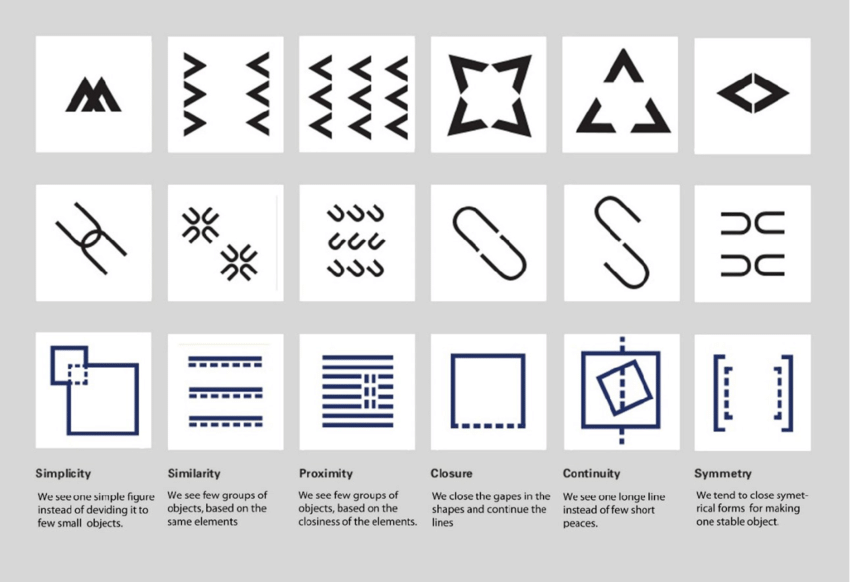
Designing a product, cover, or page can have a powerful impact on the recipient. That’s why we remember a few logos or advertisements more than others, because they have the ability to indelibly stand out in our minds, a concept supported by research in the Gestalt Principles of visual perception.
Source: ResearchGate
At its core, design can be used as a force for good. Nevertheless, no matter how hard you try, design will always take a biased approach, that’s because as a designer, you put your own feelings, emotions, and perspectives into what you are creating.
Research from the Nielsen Norman Group also shows that people recognize visuals far more easily than they recall information from text alone, reinforcing the lasting power of design.
Even when you think you are taking over a neutral project for a client, you have to ask yourself integral questions like who is this ultimately serving? Who profits from it? And what narratives or systems does it reinforce?
Design And Politics
Political movements need imagery, story, and structure as much as they need speeches and policies. To that end, design is used to build brand identity and communicate beliefs or ideologies. In one way or another, design is used as a tool to create political landscapes by crafting campaign logos, banners, and posters to influence voters or to make a political statement.
Case in point: think of how the Republican Party under President Trump came up with a unique design and slogan called “Make America Great Again.” The catchphrase was taken from President Ronald Reagan during his 1980 presidential campaign. President Trump capitalized on it and adopted the slogan, shortening it to MAGA, making it an iconic rallying cry for his campaign and promoted stamping MAGA on t-shirts, hats and mugs.
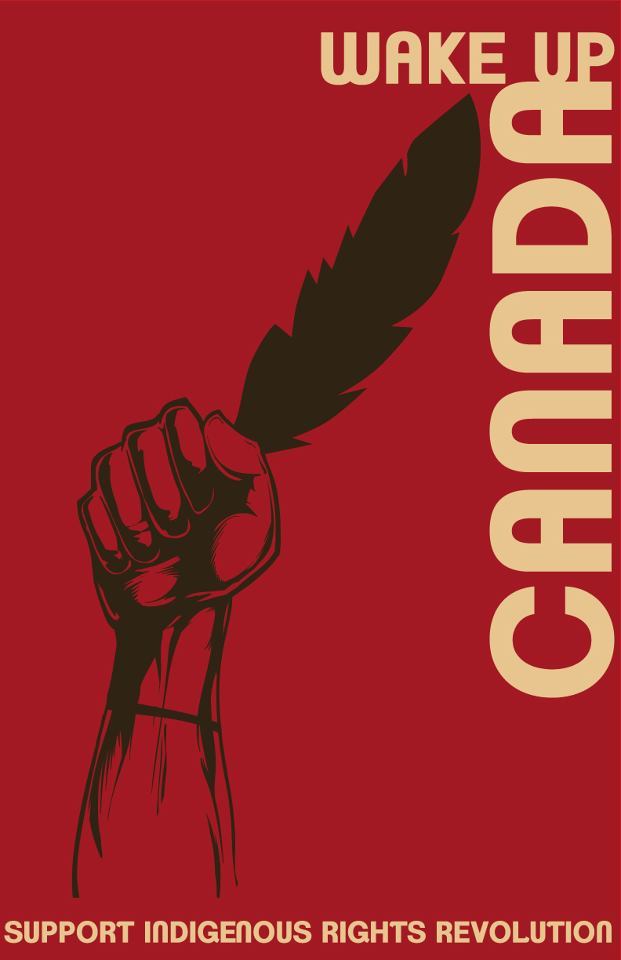
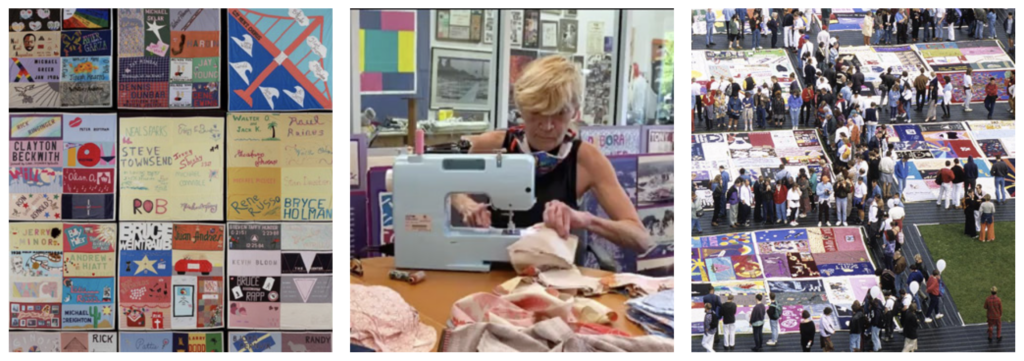
Throughout history, many designers have stood at the centers for movement for change. A few other notable historical examples include the bold typographic banners of the Winnipeg General Strike, the interesting and visually enticing beadwork and symbols of the Idle No More AIDS activism posters and quilts, and the protest graphics of the civil rights era.
Source: Idle No More AIDS
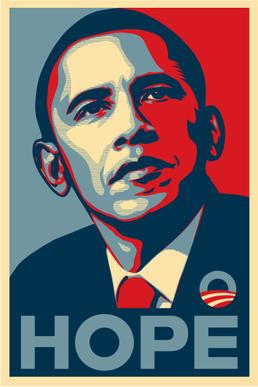
The visual impact of political design can also be seen in the Obama 2008 campaign’s “Hope” poster, later analyzed by the Smithsonian National Portrait Gallery as one of the most influential political images of the era.
One of the most powerful designs is the AIDS memorial quilt, conceived in 1985 by activist Cleve Jones in San Francisco, created to honour the lives lost because of AIDS at a time of extreme social stigma. The quilt debuted in 1987 on the National Mall and included over 1,920 panels, gradually growing into the world’s largest community art project, now featuring over 50,000 panels with thousands of names.
Examined from this perspective, one can truly say that design has a powerful impact, often influencing public opinion in subtle ways, thanks to its visual narrative that often speaks louder than words.
Source: AIDS memorial quilt
Design As a Force for Good
As a designer, you can use your tools and instruments as a force for good. After all, a captivating design not only looks beautiful but also sends a strong message to its informant by creating better systems, experiences, and outcomes.
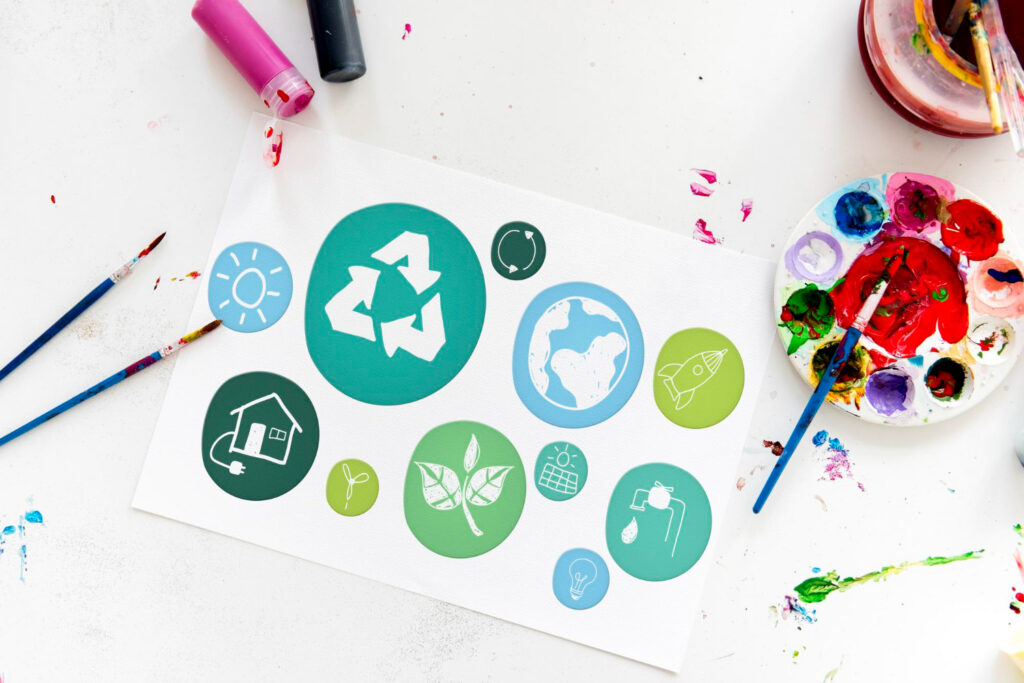
When used as a force for good, design can solve problems we face in our world today, including sustainability, by using renewable materials in packaging, for example. Organizations such as the Ellen MacArthur Foundation highlight how thoughtful design contributes to circular economies and sustainable production.
At times, your design can send a strong message, whether it’s political or neutral. And the impact is sometimes noticeable; it challenges systems, gets progressive voices into power, or connects people across cultures.
At its core design’s visual culture is powerful; it speaks volumes for you when you can’t raise your voice, it advocates for the underdog, and it influences consumer emotions, beliefs, and behaviours rather than simply serving an aesthetic purpose. Research published by the Nielsen Norman Group shows that user experience design directly impacts trust, engagement, and decision-making in digital environments.
At 11th Floor Design Studio, we embrace these same principles, crafting visuals that captivate and communicate, ensuring every design leaves a lasting impression and a meaningful message. Explore our design services or view our portfolio to see how strategy and visual storytelling come together.




Leave a Reply