

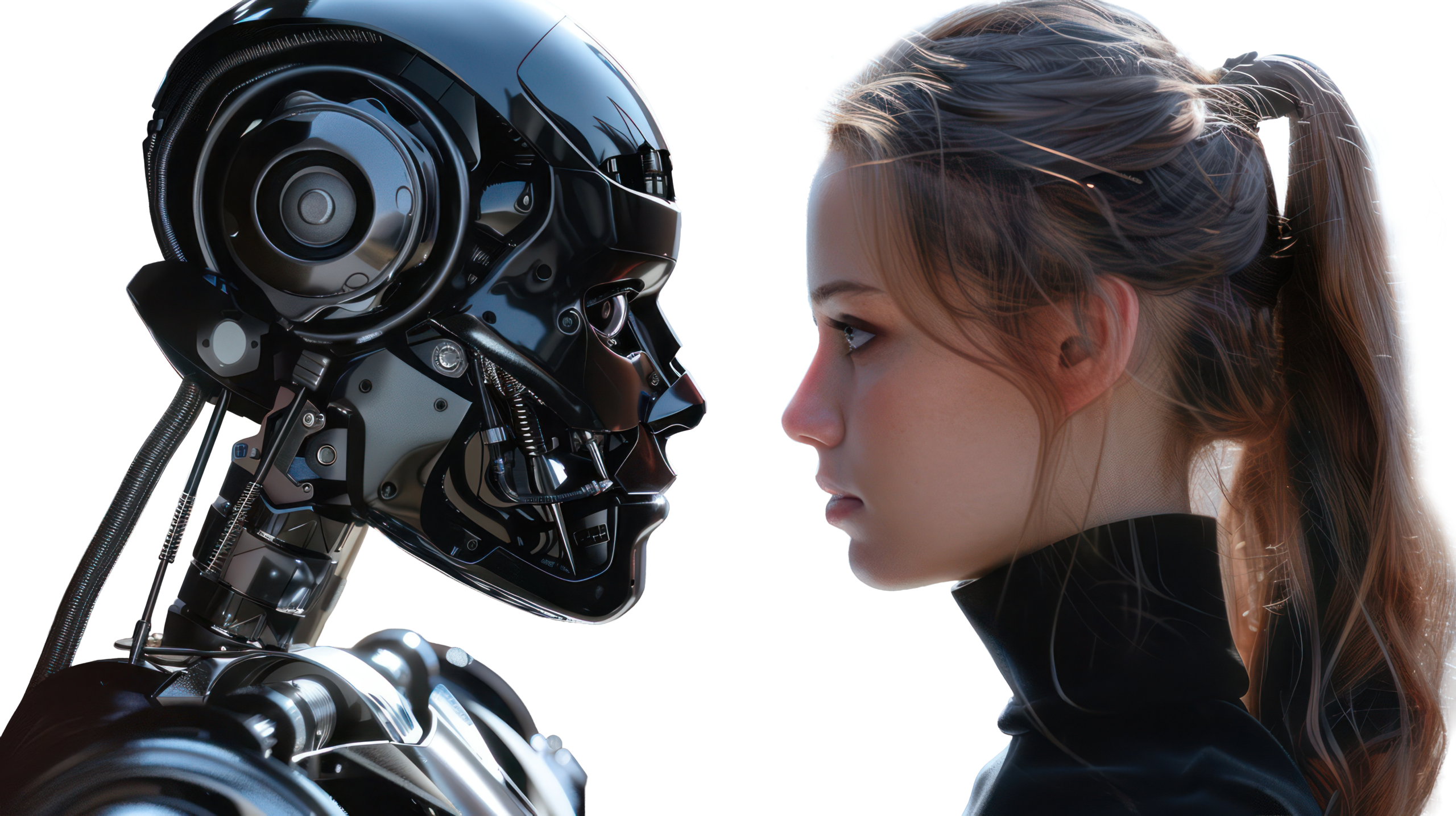
AI vs. Human Design: What Do Clients Prefer
AI has taken the world by storm, and increasingly, many designers are using it. When the world of design is dragged into mass automation, one might begin to question which is better, humans or AI? That question has puzzled many. There are several factors to consider; let’s take a closer look at some of them.
AI vs. Humans: A Challenging Conundrum
When it comes to design, speed might not be a factor for many, especially when intricate designs are required. After all, you need to take your time to design something that’s both captivating and appealing. Nevertheless, in some cases, speed might be required.
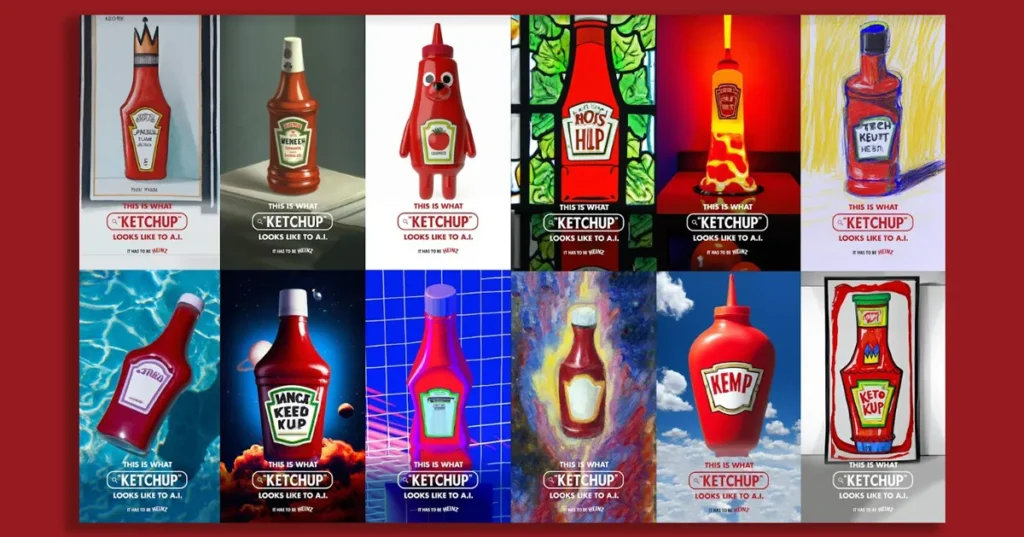
For example, a client might have a marketing campaign the next day and want multiple layout ideas without waiting a long time. Here, AI wins, no matter the cost. That’s because AI can come up with several design layouts, whereas humans take a longer time to develop their ideas. A human designer asks questions, reviews goals, and builds ideas step by step; whereas AI simply asks you to input a few prompts and develops the design for you in a matter of seconds.
Money can be a factor; designers usually charge fees for their designs, and some of them can be pricey. Compared to other approaches, AI is cheaper and even free in some cases. That, on its own, might attract small businesses to use AI without having to hire a professional designer.
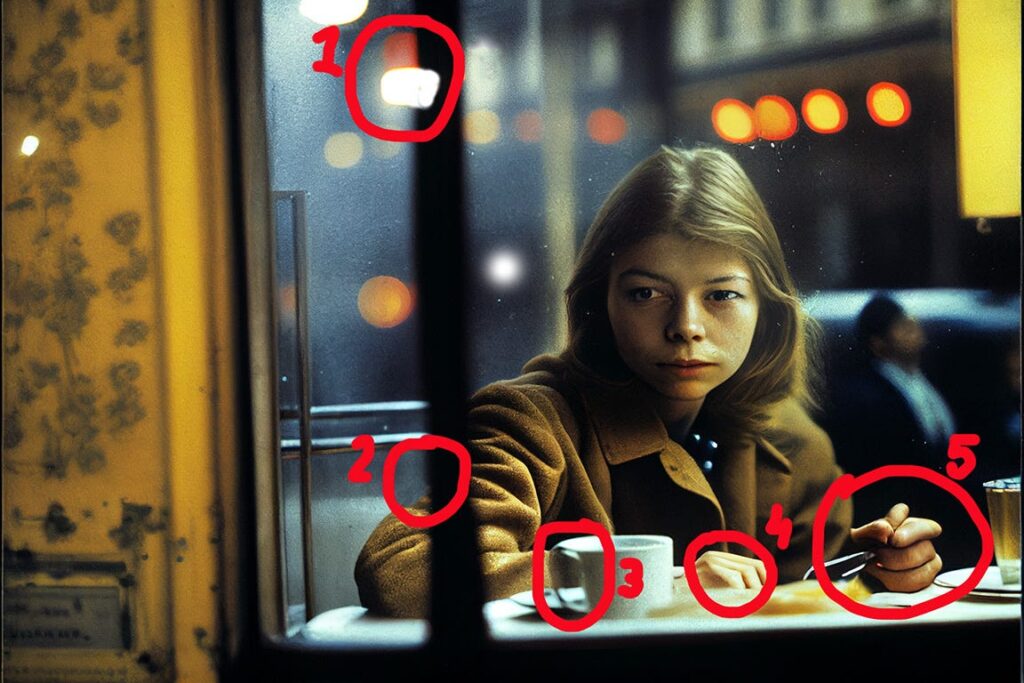
Quality is another aspect that comes to mind. In this scenario, no one beats a human mind. Imbued with creativity, designers have more control over a design than AI. Based on client feedback, they can adjust typography, spacing, structure, and fix small issues instantly. If you are using AI, on the other hand, you might need to input everything again from scratch to get it to do what you want in the first place.
Another problem is that many AI design sketches can look similar to other designs. That’s because people might input common prompts. Human designers put their own thinking into use. When designing a layout, they test ideas, sketch, and build variations in response to client requests. This adds originality to the process and reduces the risk of repeating the same style. After all, most clients want originality and seek a distinct identity for their brand and design.
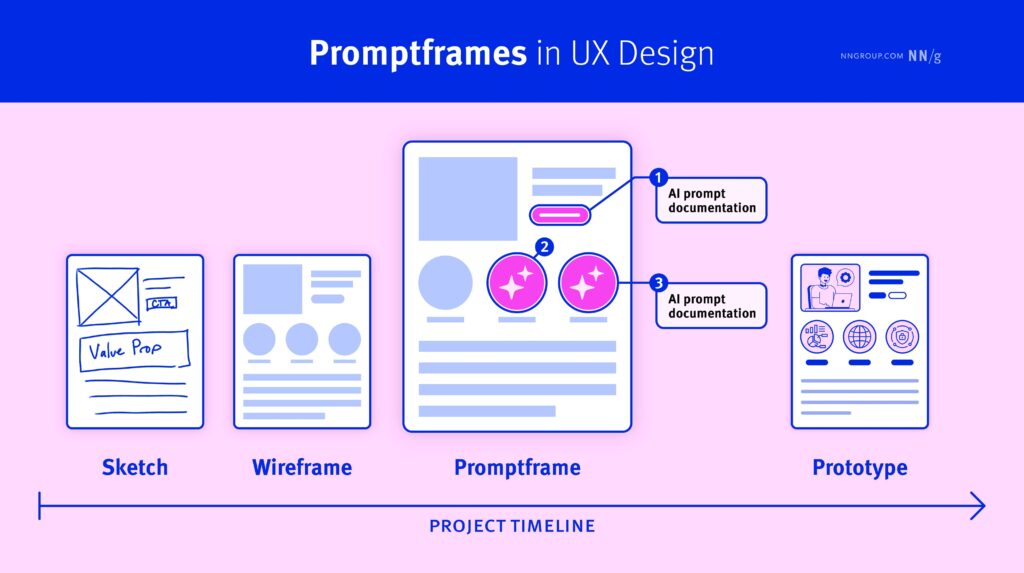
Communication is also important. Have you ever wondered who communicates better? Simply put, humans do. When clients are looking for a specific design, they can explain their ideas, share references, and receive instant feedback. Going back and forth with questions and ideas builds trust with the designer and avoids confusion.
AI tools do not offer that type of interaction; they solely rely on the prompts you give them. If something isn’t right or you need to make an adjustment, you either need to rephrase or try re-entering your prompts from the beginning. Not many people enjoy doing this, particularly when dealing with a large-scale, detailed project.
Why Human Designers Still Matter
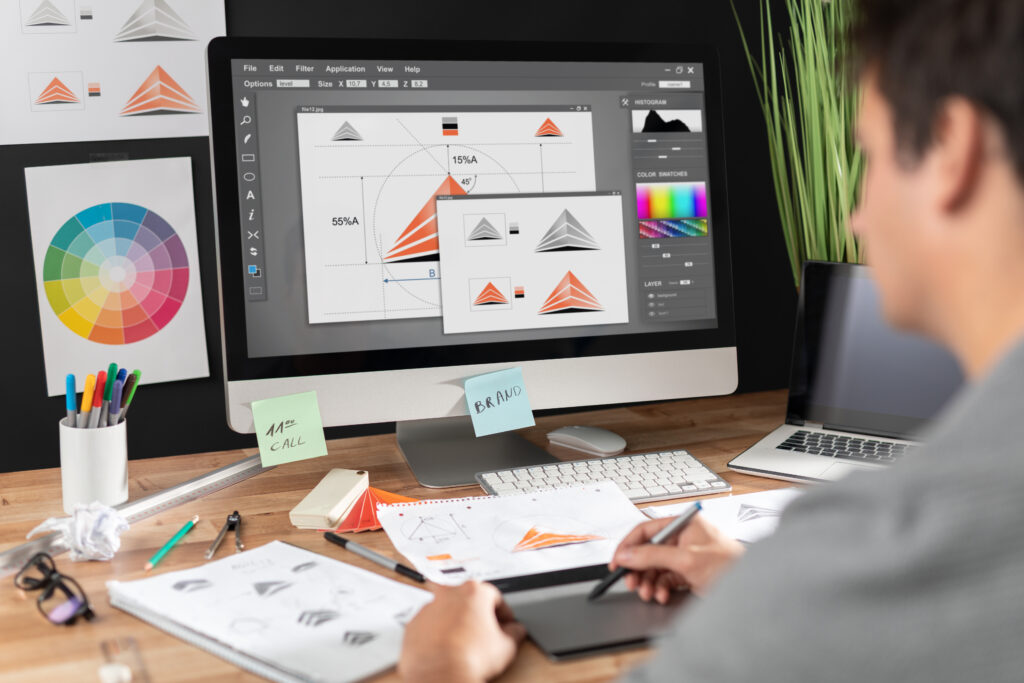
When it comes to AI versus humans, human designers still win. That’s because they bring originality and purpose in their designs, specifically for large projects that require branding and packaging. These types of projects require consistency and planning; in some cases, clients go back and forth on their requests to match their goals. AI tools can help, but they cannot replace the full process. Another thing AI cannot replace is trust. When you work with a human designer, you trust them to execute the design to your needs and to establish a working relationship. AI tools do not offer this type of connection.
Although AI is becoming more popular and easier to use, many people still need to understand how AI prompts work and how to adjust results, which requires learning. Working with a human designer removes this hurdle; in essence, you tell the designer what you want by providing feedback and direction on what you prefer, without having to manage the design tools yourself.
So, what do clients really prefer: AI or human design? That depends on the project. For quick turnarounds, AI is a handy tool. But when it comes to detailed, creative work, human designers remain the top choice. Their ingenuity is unmatched. As AI evolves, it will become a valuable assistant, but it will never fully replace the artistry of the human mind.
If you’re interested in how AI is changing branding, UX, and creative strategy, explore our article on Beyond Aesthetics: How AI Is Transforming Creative Strategy, Branding and UX Decisions.
Leave a Reply