

The Ethics of AI in Graphic Design
Artificial Intelligence (AI) has made it easier for designers to grapple with some of the most challenging aspects of design, but it has also posed a challenge.
It raises important ethical questions, such as how a designer can strike the right balance between automation and creativity. How do bias and copyright infringement affect the design process? These and many other questions have been of concern to both designers and consumers.

The Ethical Implications of AI in Design
AI is now capable of generating logos, page layouts, and images with little or no human intervention. Some AI algorithms have been trained to sift through any material and include it; however, this raises ethical concerns about copyright infringement and bias. Addressing these concerns head-on requires implementing ethical practices and understanding consumer behaviour trends.
Before a designer implements AI in design, he needs to ask himself fundamental questions, such as: Is the data being used fair and transparent? Does the AI design comply with data privacy regulations like GDPR? Does AI misrepresent or change my input dramatically?
By carefully examining these questions, designers can navigate AI’s ethical challenges effectively and create more reliable, equitable design solutions for their customers. Consider a few more ethical concerns AI raises in design.

Bias and Discrimination in Design
If not properly trained on comprehensive data, AI can inadvertently propagate biases and discrimination, which can especially cause harm to marginalized communities. According to research from MIT’s AI bias studies, biased datasets can directly influence algorithmic outputs in ways that reinforce inequality.
As a designer, the responsibility is on you to carefully analyze data inputs before using them in the creative process. Reviewing ethical AI guidelines from organizations like UNESCO can help establish a more responsible approach to design.

AI- Generated Content and Copyright Infringement
Sometimes, unbeknownst to designers, AI sifts through content and takes information, ideas, or logos that could belong to someone else. Violating copyright laws is a serious offense punishable by law and should not be taken lightly. Designers should understand copyright basics and intellectual property rights when working with AI-generated assets.
In addition, recent discussions around AI and copyright from sources like The U.S. Copyright Office AI guidance highlight the importance of human involvement in creative ownership. Designers must ensure that generated content does not lead to misinformation, manipulation, or infringement.
Human Creativity Vs AI Assistance
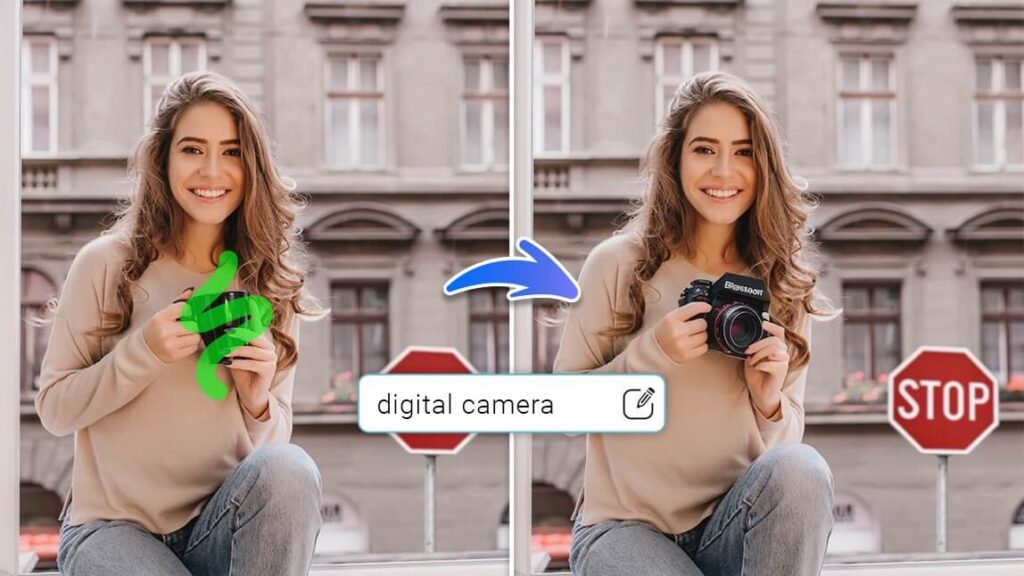
Striking a balance between the human creative process and the support of generative AI is crucial. After all, sometimes AI can stifle your creative process by creating layouts and designs for you, thereby hindering your creativity. As a designer, you should carefully weigh your options and balance your use of AI with your creative process. For starters, you can use AI to enhance your creative process instead of allowing it to do everything for you.
Resources like Adobe’s perspective on AI in design workflows highlight how AI can act as a creative partner rather than a replacement.
You can use AI to brainstorm ideas for creative designs or to accomplish repetitive, tedious, mundane tasks, thereby boosting your creativity. When you choose AI as a collaborator, not only will you refine your design process, but you will also increase your productivity.
To better understand how AI supports strategic design decisions, explore our article on how AI is transforming creative strategy, branding, and UX decisions.
The Future of AI in Design
AI is constantly evolving, and designers will continue to use it in their creative process. Keeping up with emerging AI trends and promoting ethical AI culture in design is imperative for any brand or company.
As a designer or company, you must establish a framework for how you will use AI in your creative process. That ensures being transparent and accountable in the design process. If you’re exploring how AI is influencing branding and user experience at a deeper level, read our breakdown on how AI is shaping the future of brand and UI/UX design.
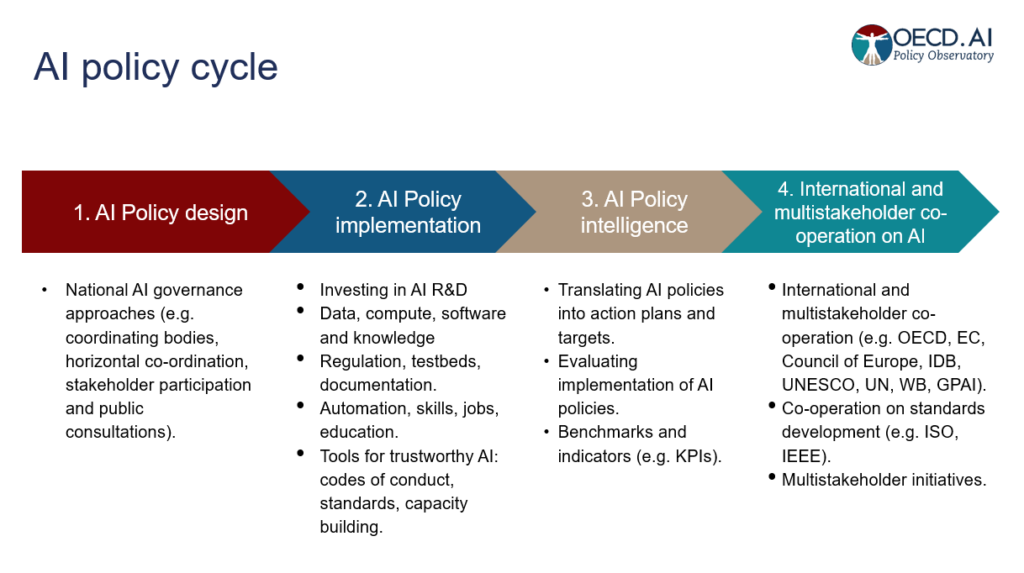
Following frameworks like the OECD AI Principles help guide responsible implementation.
You must also ensure that you conduct regular audits and provide clear explanations of how AI systems will make decisions for you. In doing so, you will ensure responsible use of AI in design and avoid legal hurdles, plagiarism, and copyright infringement, all of which can affect your reputation and creativity.
Ready to Design Smarter and More Responsibly?
AI is transforming the design landscape, but how you use it matters. At 11th Floor Design, we combine creative expertise with forward-thinking tools to deliver designs that are not only visually impactful but ethically grounded.
Whether you’re building a brand, redesigning your website, or exploring AI-powered workflows, our team is here to help you do it right.
Leave a Reply