


The Psychology of Space: How Design Shapes Human Behaviour
Have you ever walked into a space and immediately felt a sense of unease? That’s because our surroundings, whether physical or digital, have a profound impact on us. They can make us feel like staying longer or simply wanting to leave. Also known as the psychology of space, the way we design our surroundings can affect us on a psychological level.
How Does Space Impact Our Mood?
The layout of a website and the ambience of a restaurant can create a memorable experience, encouraging people to interact with their environment. For example, a well-organized UI can influence how people interact, while a poorly designed UI that’s cluttered easily leads to confusion.
If you are shopping online, think about the way the products are organized. In some websites, they arrange sections in such a manner to help you find what you want easily. They might include intuitive colours on each section showcasing the contents of each product. If the UX is designed poorly, it might deter you from staying longer, encouraging a sense of poor user experience.
On the other hand, office spaces and shopping malls can also be designed in such a manner to encourage comfort. Imagine stepping into a shopping mall that incorporates green spaces, natural light, and water fountains. How would you feel? Undoubtedly, that creates a sense of ease, which makes you want to stay.

Studies have shown that visual clarity, color balance, and intuitive layouts can enhance focus and engagement in digital environments. According to research from the Nielsen Norman Group, users are significantly more likely to trust and revisit websites that provide a clear visual hierarchy and consistent design patterns.
It is evident that the way a digital space is designed has a profound impact on users. Now, let us examine the role of colour, light, and layout in digital design.
How Colour, Light, and Layout Impact Design
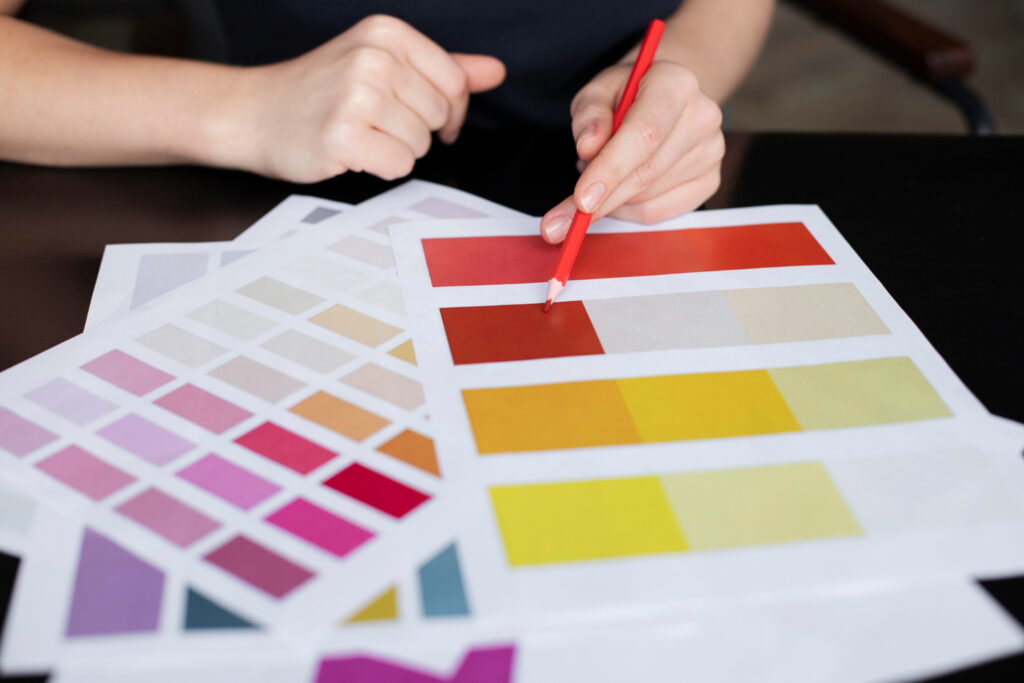
Colours have the power to evoke emotions. That’s why people stay longer at a restaurant with a warm ambience. In essence, some colours can also deter you from a space; bright neon colours can evoke a sense of discomfort. In contrast, cool colours like blue and green have a calming effect, which is why they are used in wellness and hospitality settings.

For example, many spas and healthcare facilities use light blues and greens to foster calm, while fast-food chains such as McDonald’s and KFC often use reds and yellows because they stimulate appetite and energy.
Now that we have discussed the role of colours, let’s see what effect light has on a space. Bright light is always used in retail spaces to create a sense of alertness and encourage people to make purchasing decisions wisely. On the other hand, dim lighting in restaurants and bars creates a more relaxed, intimate atmosphere, encouraging people to stay longer.
In fact, a study published in the Journal of Environmental Psychology found that soft, warm lighting enhances emotional well-being and social comfort.
The layout of an office space can also impact behaviour. For example, open office plans or layouts promote interaction, while closed office spaces facilitate concentration. In some cases, a few office layout plans have included casual zones, which provide more opportunities for collaboration. A layout strategy supermarkets use is to place all the essential items at the back of the store, encouraging people to pass by most aisles and make purchases before they find the products they want.
Digital layouts mirror this principle. Spacing, grids, and hierarchy guide users toward specific actions and shape how they navigate interfaces.
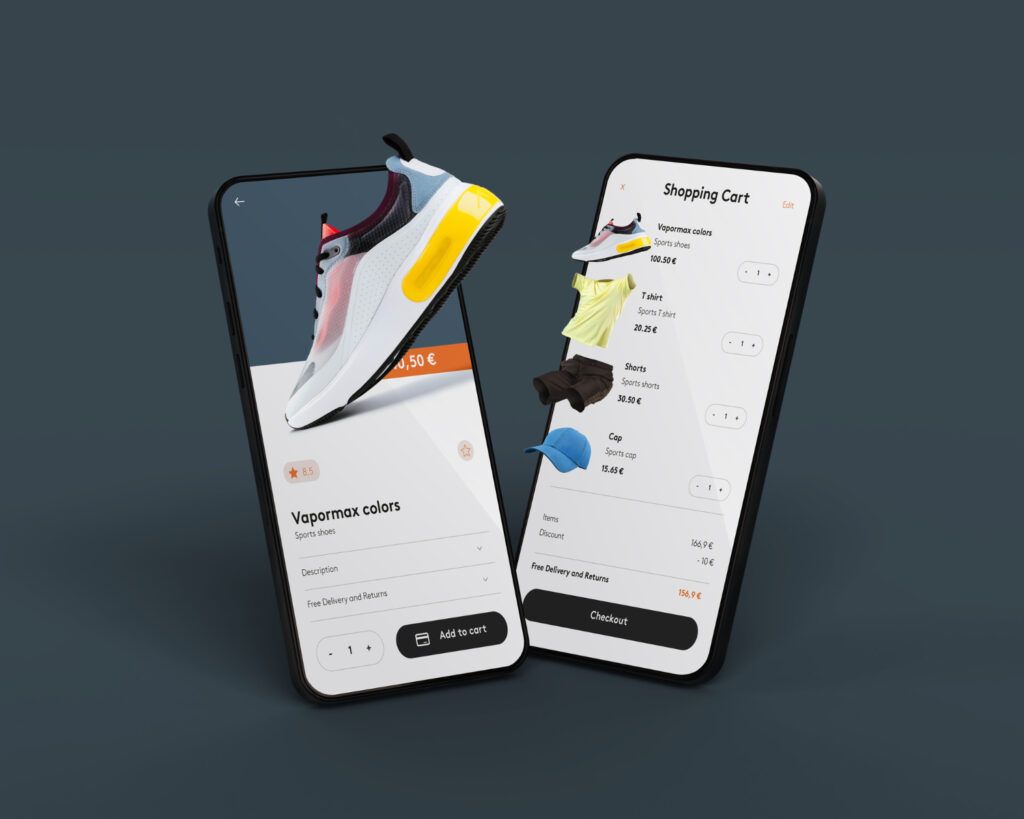
The layout of a website or app can also impact behaviour. Open and intuitive layouts encourage exploration, while rigid or cluttered designs cause disengagement. Digital designers often use spacing, grids, and flow to guide users’ attention and create a rhythm that feels natural. Strategic placement of key elements, similar to how retailers organize aisles, can direct users toward intended actions like purchases or sign-ups.
How Can You Create Human-Centric Digital Spaces?
Whether you’re designing a website or building a brand experience, always think about the user first. Primary factors to take into consideration include comfort, accessibility, and ease of navigation. Ensure that your colour, layout, and visuals create a sense of clarity and connection, one that entices people to engage with your brand and stay longer. The power of the psychology of space cannot be underestimated. Whether you are in the retail business or the corporate world, the way you design your space has a profound impact on people and can create lasting impressions.
For further reading, explore the American Psychological Association’s work on environmental design and mental health (APA Monitor) or Work Design Magazine’s case studies on how organizations use space to foster collaboration (Work Design).
Ready to transform your space into one that inspires?
At 11th Floor Design, we create brand and UI/UX experiences that influence how people feel, interact, and connect with your business. From thoughtful layouts to purposeful visuals, our designs help you build digital environments that leave a lasting impression.
Leave a Reply